Where can I find lists of books and other media that now are in public domain?





What can we freely quote now that we’ve reached 2026?
“Let’s start by discussing rights and permissions.”
Authors who have worked with our team over the past two decades have heard this from us in initial meetings about proposed manuscripts. Many book proposals we receive do not include quotations from other works—but a lot of them do. Often, we find biblical quotations, lyrics from popular songs, poetry and famous prayers included in manuscripts and we then discuss each proposed usage to determine if there are permissions issues. So far, rights and permissions issues have never prevented us from completing a proposed book project—but we often have to adapt those citations to follow best practices.
This is complex process because there are lots of nuances and variances in international law. For example, the original King James Version of the Bible is in public domain—but a translation called the New King James Version is not.
And, to answer another common question: There is no standard number of words that can be freely quoted. Each quotation needs to be considered and discussed with the publishing house.
One “gold standard” gateway to this issue is the U.S. Copyright Office’s Copyright Public Records Portal. (However, be aware that copyright laws vary around the world and a work you’re researching may have restrictions beyond the U.S.)
Another widely recommended starting point is maintained by Stanford University Libraries. (Among other things, the Stanford gateway lists various codes and tutorials you may want to consider.)
This is such a serious issue in publishing that, every January, annual lists are compiled of works moving into “public domain.”
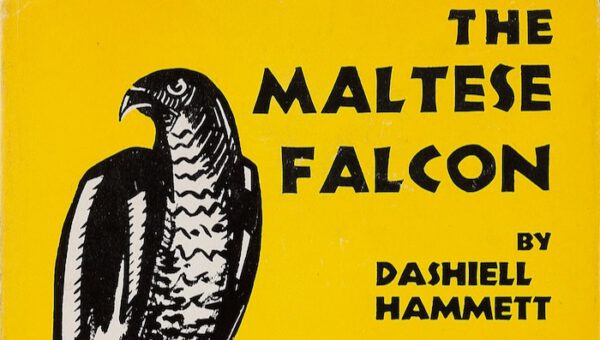
Here’s the latest news on books and other media entering public domain
Wikipedia divides these huge annual reports into separate pages. Here are links to:
- 2025 in Public Domain
- 2026 in Public Domain
- And, if you understand that system, you can keep looking ahead. For example, Wikipedia already is projecting the 2030 in Public Domain page.
One of the most widely circulated listings, each year, is published by the Duke law school. On that page, you’ll also find links to helpful articles—and links to “public domain day” stretching back to 2010.
This is a complicated issue that is essential for authors to master if they are considering quotations in an upcoming work.
Got questions? Please contact us.