
Want to help unplug racism? Veteran journalist Bill Tammeus has a book for that!







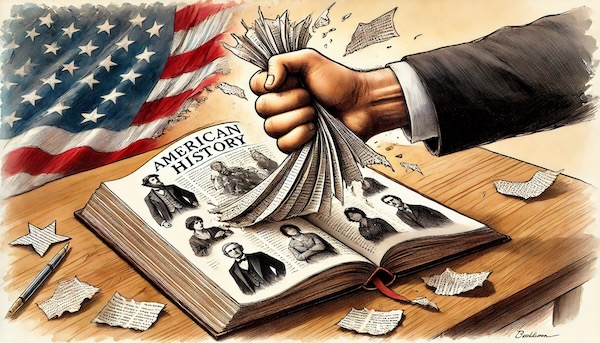
 Protecting our story from those who would tear it up
 Protecting our story from those who would tear it up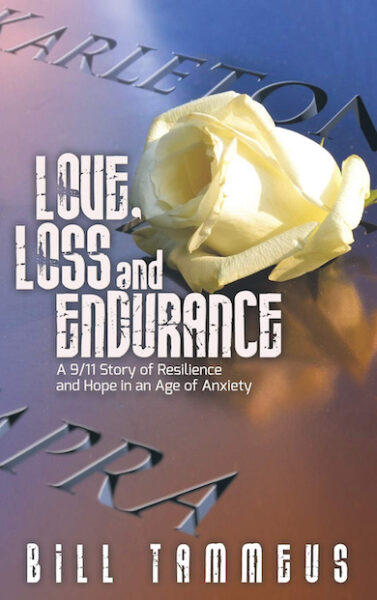
In our ReadTheSpirit.com weekly magazine, we frequently recommend columns by award-winning journalist Bill Tammeus—one of the true “deans” of American religion writers. In the face of fresh attempts to literally rip up our American history, Bill writes regularly about the importance of accurately remembering our collective story. Here are two of his recent, thought-provoking columns to share with friends:
A proposal to ‘rescue’ American history is both weird and ruinous
Why we still need to know about the 1921 Tulsa race massacre
Getting at the Core Issue: How do we ‘unplug extremism’?
Clearly—and especially timely in light of the hateful arson attack on Pennsylvania Gov. Josh Shapiro at the start of Passover this week—we also want to recommend Bill’s heartfelt and very helpful book, Love, Loss and Endurance.
In fact, as this column is published, Amazon is deeply discounting the paperback editions of Bill’s book. And, even if the paperback version’s price does rise again—of course, the Kindle version also is quite inexpensive. This is an important book for this moment in our American history—and it’s priced so everyone can afford a copy for individual reading and group discussion.
In fact, to make this book as practical as possible—Bill devotes the entire final section of his book to detailed descriptions of 9 ways we all can encourage the unplugging of extremism. Let’s let Bill’s own introductory words explain more. That section of his book begins this way:
We Americans, not surprisingly, tend to see our lives through our America-centric eyes. When we talk about racism and the zealots who preach it, for instance, generally we’re referring to the idea of white supremacy that shaped our nation’s founding as well as to the history of slavery in the U.S., to our Civil War, to Reconstruction and the rise of the Ku Klux Klan, to the Jim Crow era and finally to the civil rights movement and later efforts to combat the worst of it all. But, in fact, monochromatic racist thinking that leads to violence is an international problem. … The question is whether any nation or group of people can take the lead in finding ways to defang such extremist, prejudicial thinking. … Here are some suggestions to consider for non-violent ways to live in relative peace with people who may have radically different ideas from us.
.
.